Posture+
This page focuses on the main project for my ENG110 class, which is centered around data acquisition and processing. This project took place between January and April of 2026, ending with the 2026 WNEU Emerging Engineers Expo.
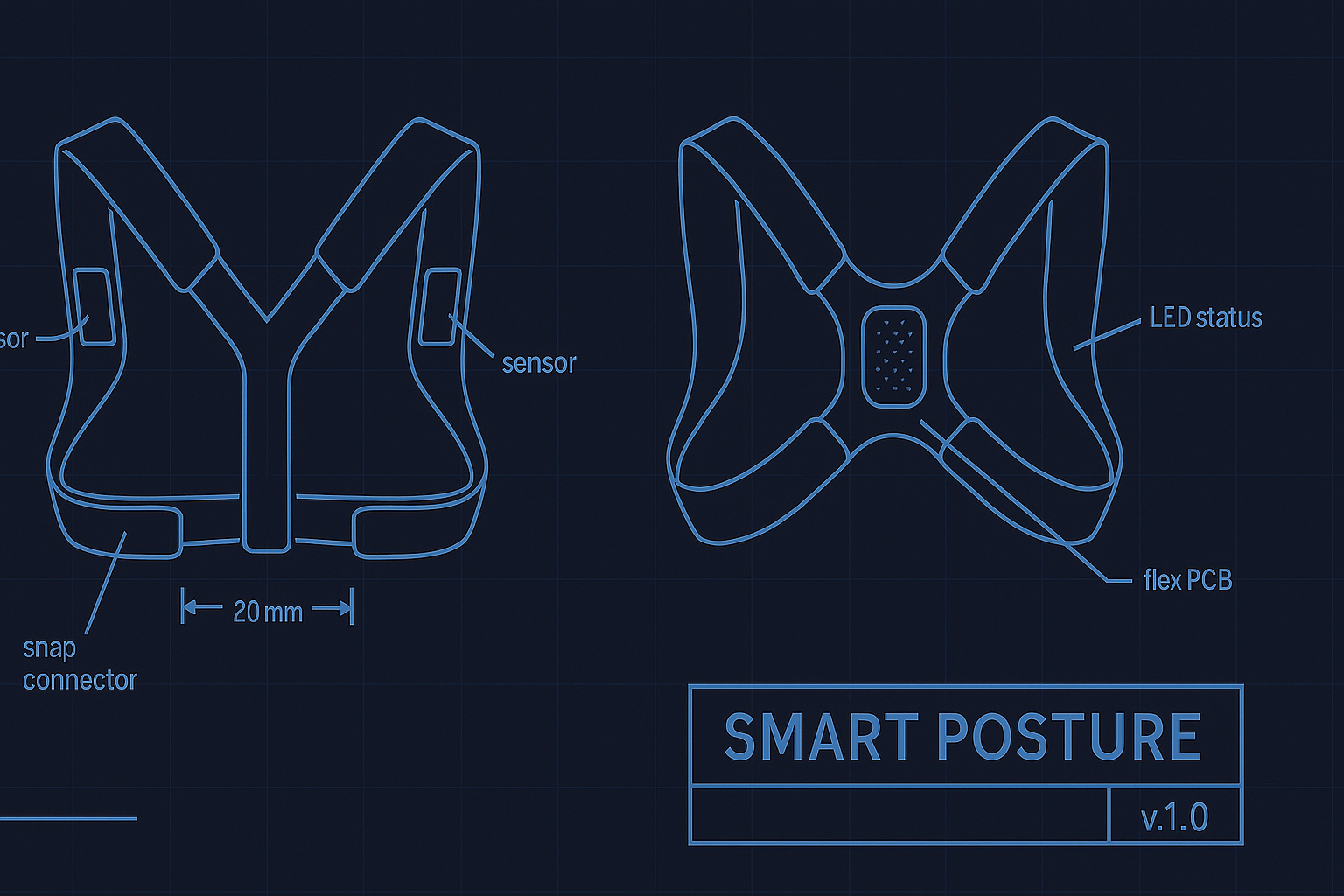
Above is an image of the basic idea my team has created so far. We have been tasked with creating some form of prototype to present later in the semester.
The Problem
At the beginning of the semester, all students were tasked with creating a solution for two “bugs” that people might encounter in their lives. There were few limitations on the solutions, allowing for a wide range of possible projects. One of the problems I chose to focus on was the issue of good versus bad posture. This is a concern that millions face around the world, especially those who work in environments where they spend a large portion of their day sitting. The entire class submitted their identified bugs to the professors for review. Subsequently, the professors selected the best bugs and assigned teams to tackle each one.
Concepts
From there, teams began creating concepts for solutions. My team created relatively similar concepts. Here are a few of them:
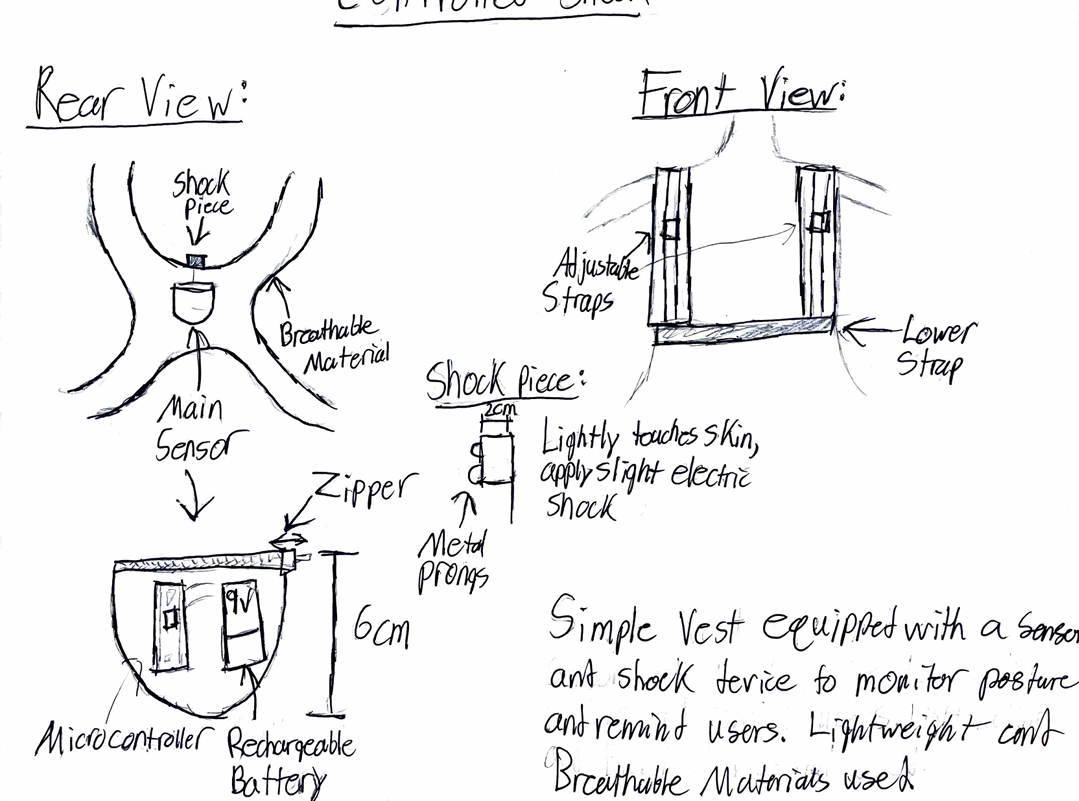
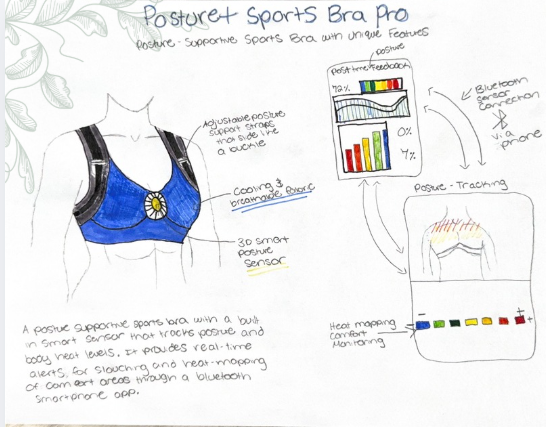
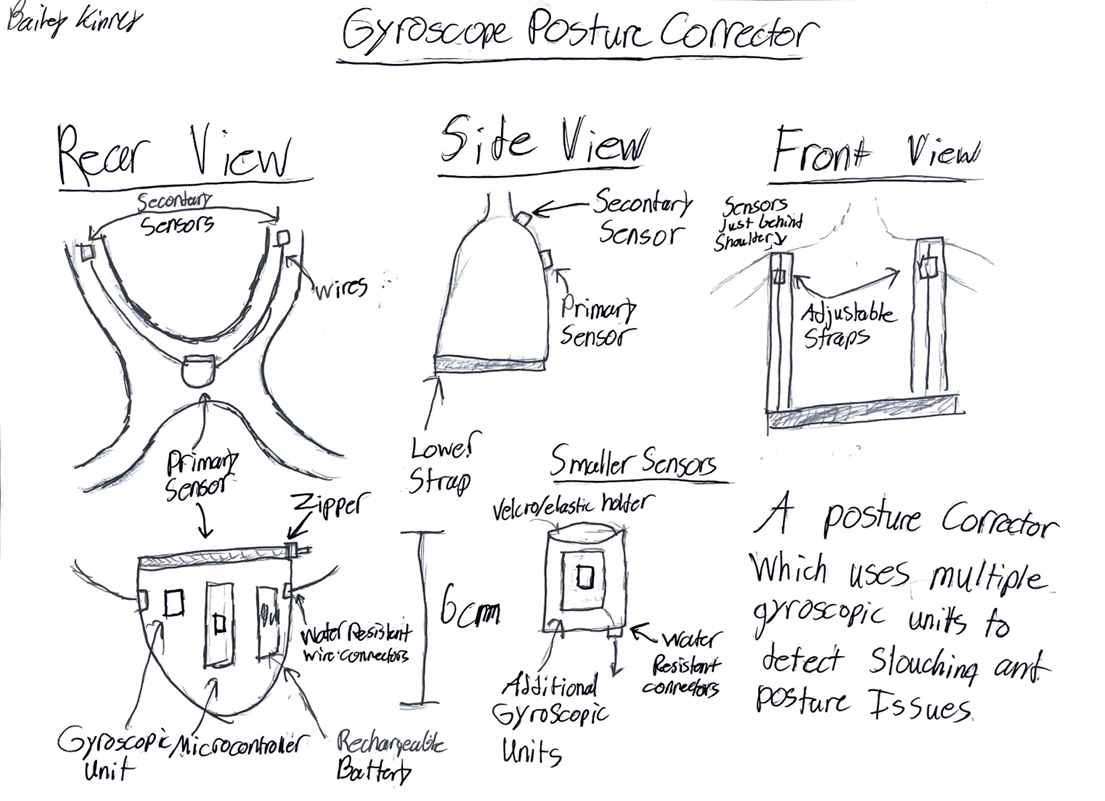
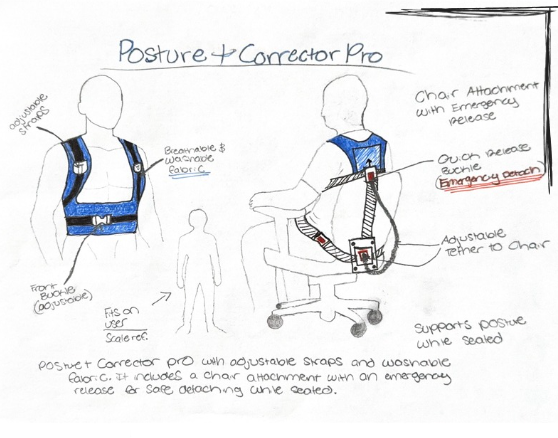
We developed screening matrices to assess which concepts to pursue and to delineate the critical components of the product. Several of these concepts presented closely related ideas, necessitating a synthesis of many overlapping themes.
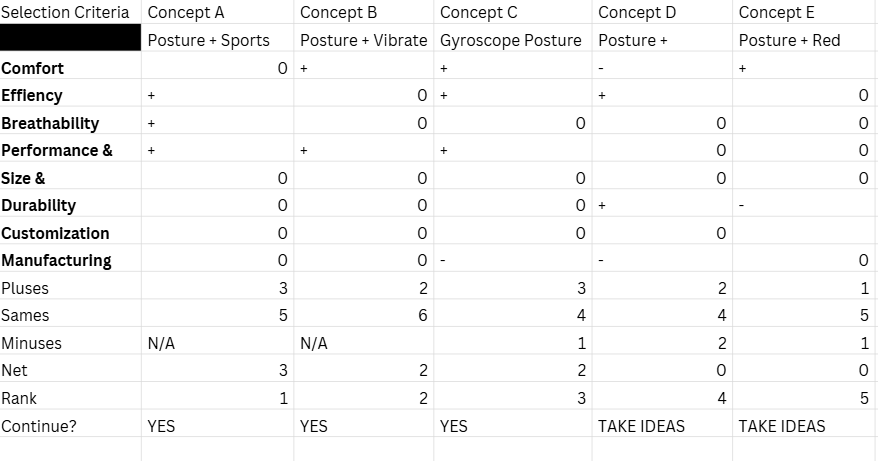
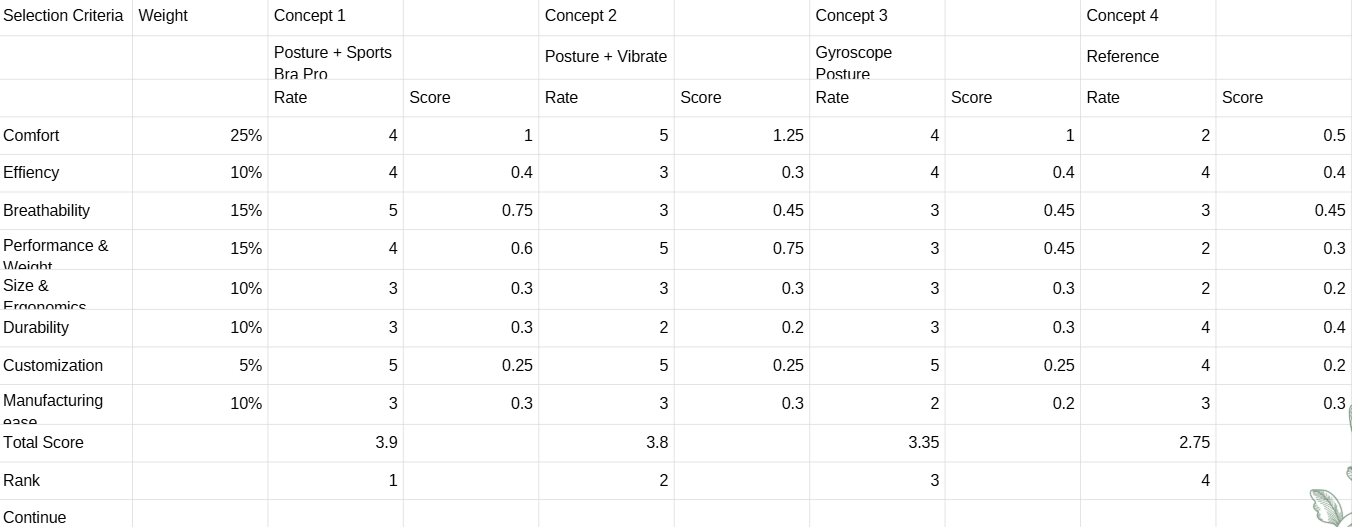
We first placed all the concepts onto a generic screening matrix, using pluses and minuses to evaluate them. After that, we selected the best concepts and weighted the selection criteria to help identify the top choice. Ultimately, we decided on the combination of Posture and Vibrate.
Customer Surveys
In order to validate feature priorities and possibly pain points before creation and design of the prototype, we took a survey of around 15 potential customers. These customers came from a wide variety of backgrounds from office workers to blue collar workers. Our main takeaways focused around comfort and convenience concerns, such as battery life, mechanism of alerting the user, and breathability/weight of the product. We previously identified these areas for concern when creating concept art, meaning these surveys help strengthen our choices and focuses on the prototype.
Prototyping
The first step was creating a proof of concept.
After singling out the concept we were going to pursue, we decided to create a POC before focusing on attaching parts formally to form a prototype. This POC used a Raspberry Pi 2W pico, three breadboards, two Adafruit ADXL345 Accelerometers, and various wires. We settled on using I2C communication for data transmittance between the Accelerometers and the Pico. I2C allows for two wires per accelerometer, instead of 3 analog wires, which the Pico would only allow for one accelerometer. Below is a picture of this concept.
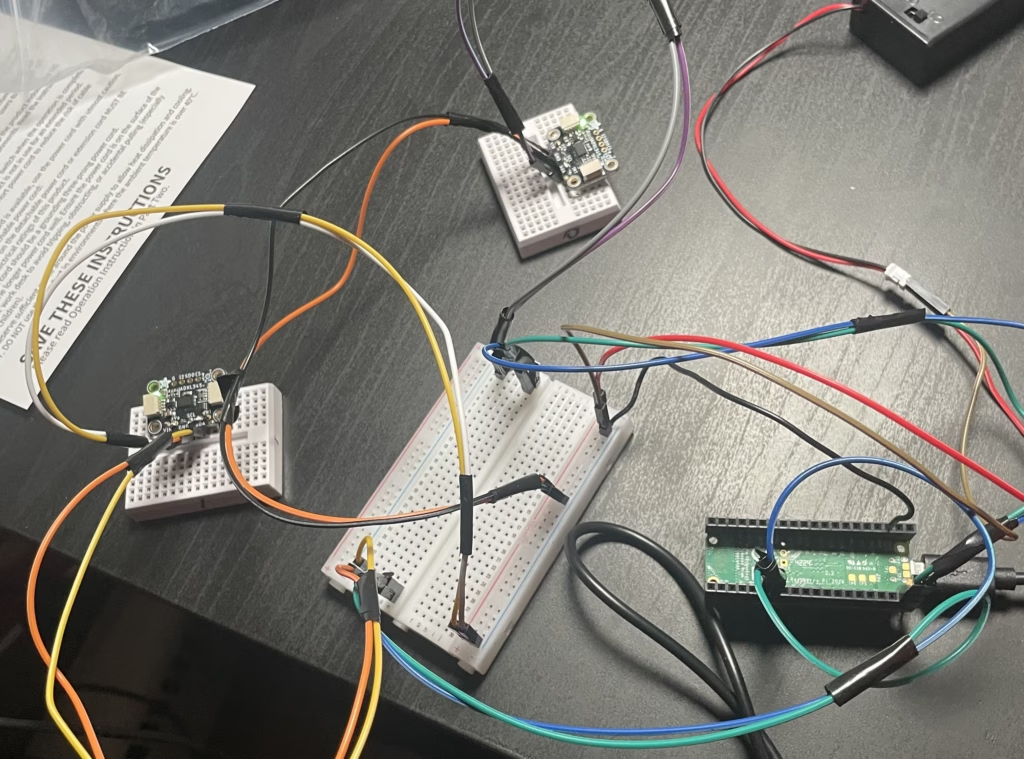
Using Thonny as our main IDE we compared the data between the two accelerometers to determine if one was slouching. At this point we simply used a strict angle difference. If the angle difference was large enough a vibrating disc would be activited from the pico. The end result file we be at the end of this page.
Initial Prototype
Our next step included picking the placement of each piece and securing it to the back brace. We didn’t want anything permanent at first so we used electrical tape to secure the pico, and accelerometers. Below is the first edition.
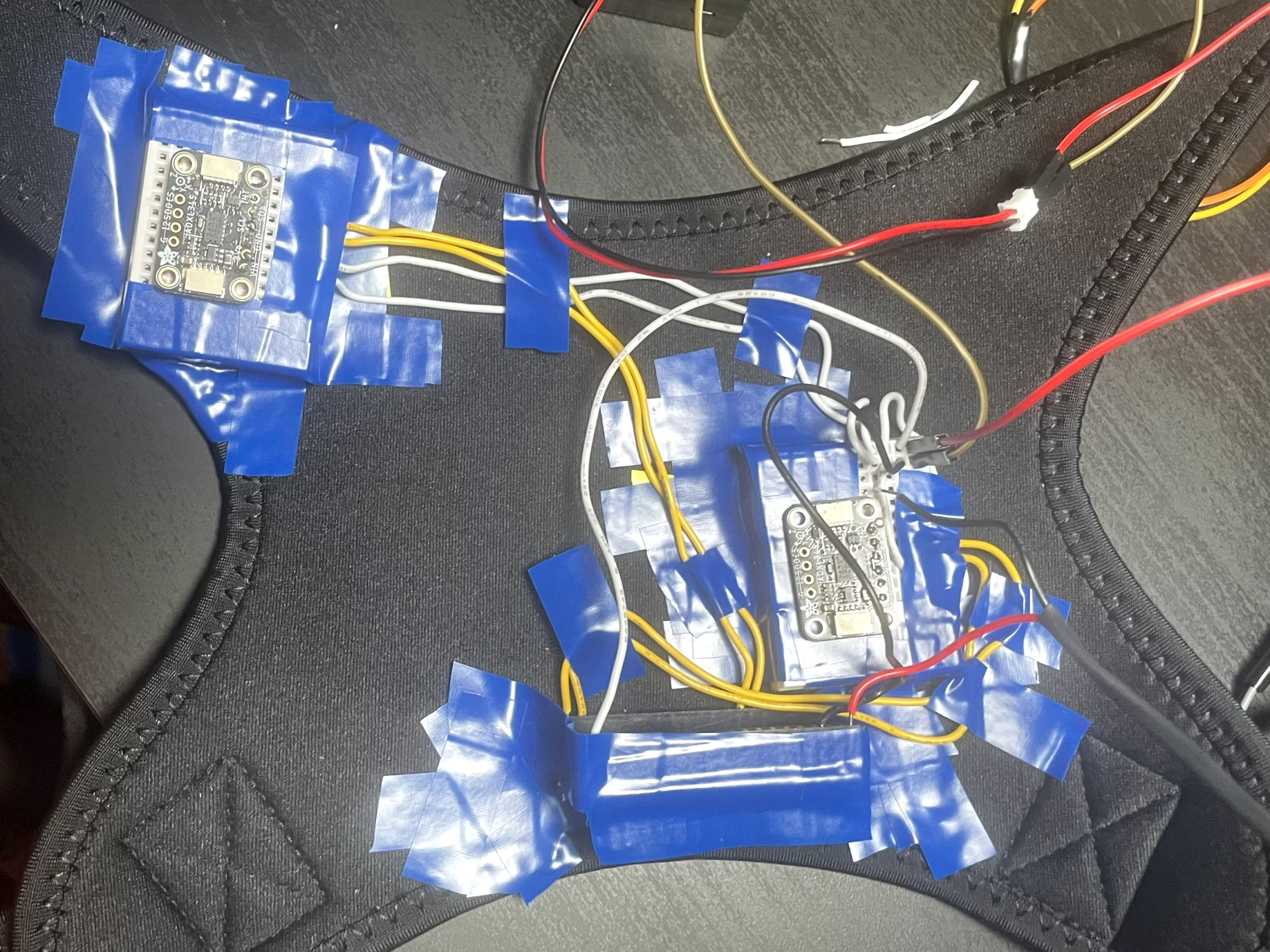
From this point we were able to begin testing, and finding the appropriate angles needed for proper function. There were multiple issues here as well, namely issues with connectivity as there was no soldering at this point in the prototype. Once satisified with general placement, we began supergluing the breadboards and battery to the piece to help remedy the connectivity issues.
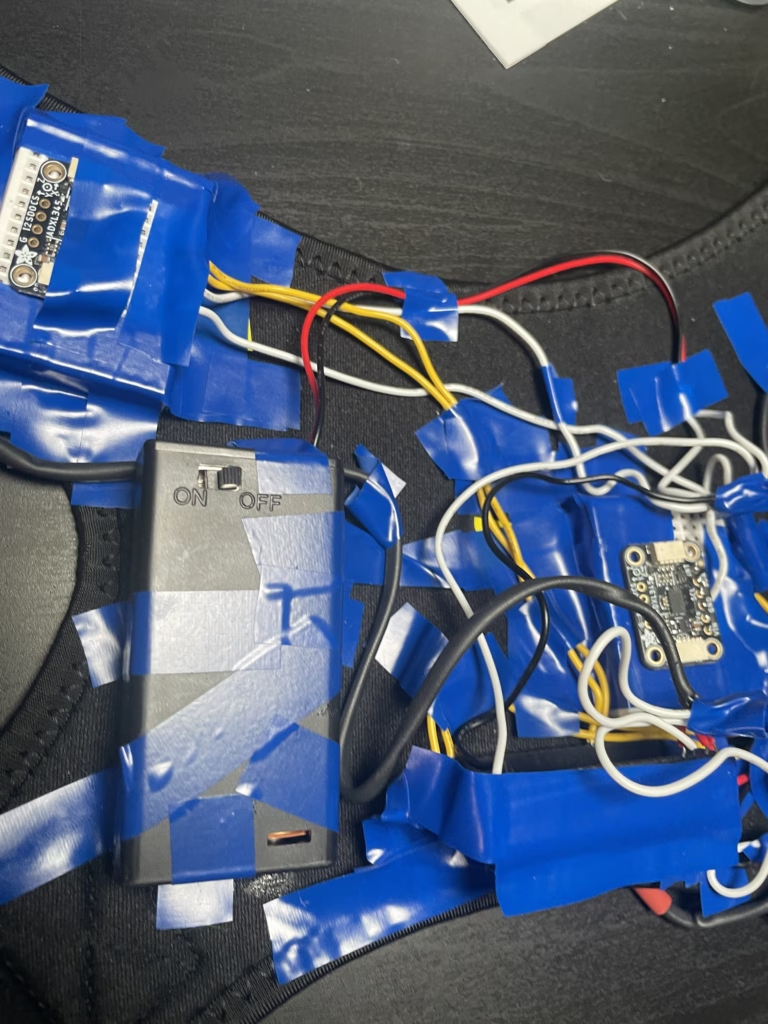
From this point we entered the final prototyping stage. This is where we soldered all the parts together for the final edition, and added a sewn on black cloth at the top of the back brace to help hide the wires. This was done to allow both what the real world product might look like vs the current wiring under the hood. Here is the final rendition.
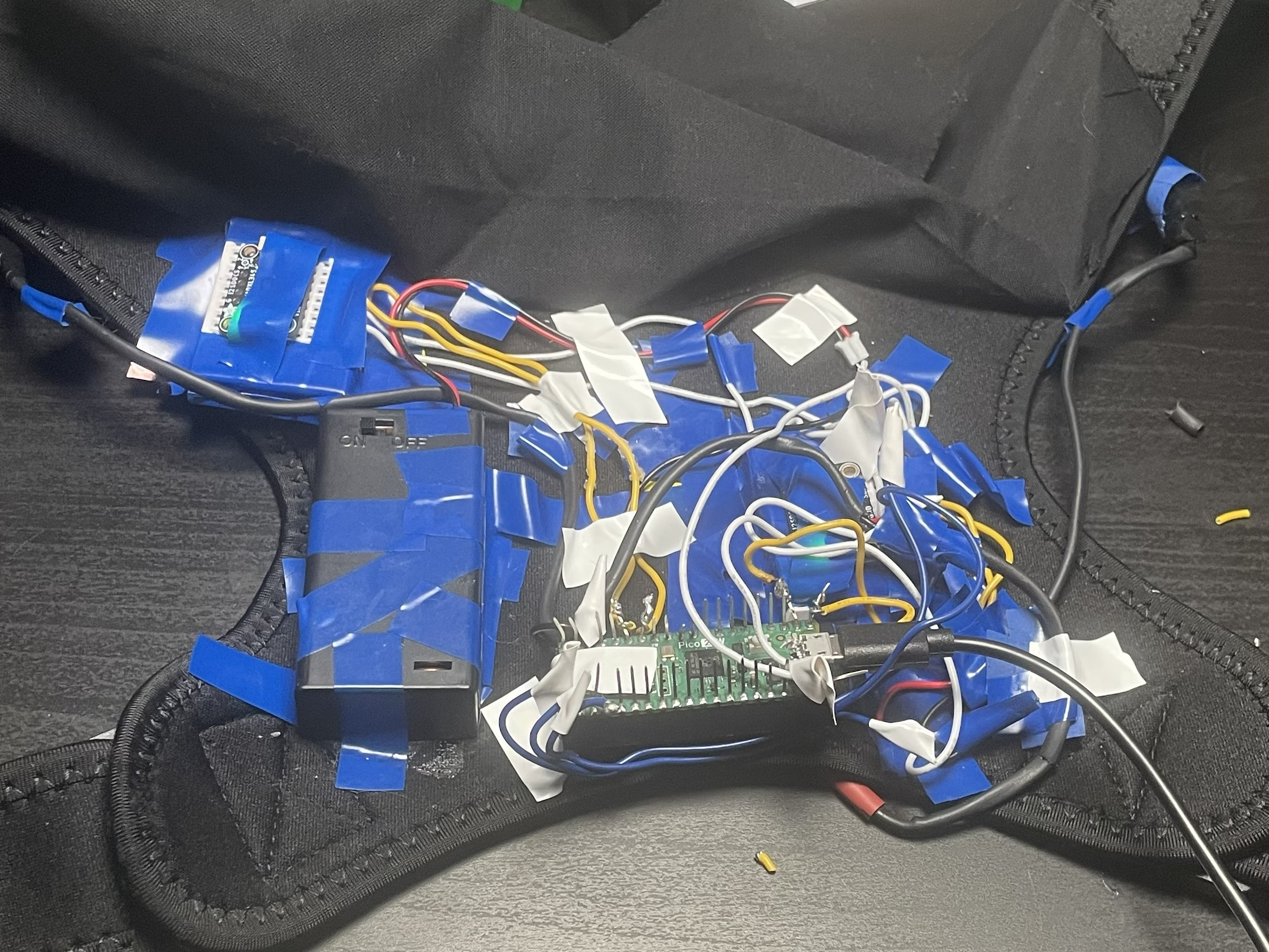
This was essentially the final prototype we created. Some minor changes were made before the presentation at the Emerging Engineers Expo. We were gladly able to get the prototype working quite well, with about a 90% success rate in testing.
Presentation
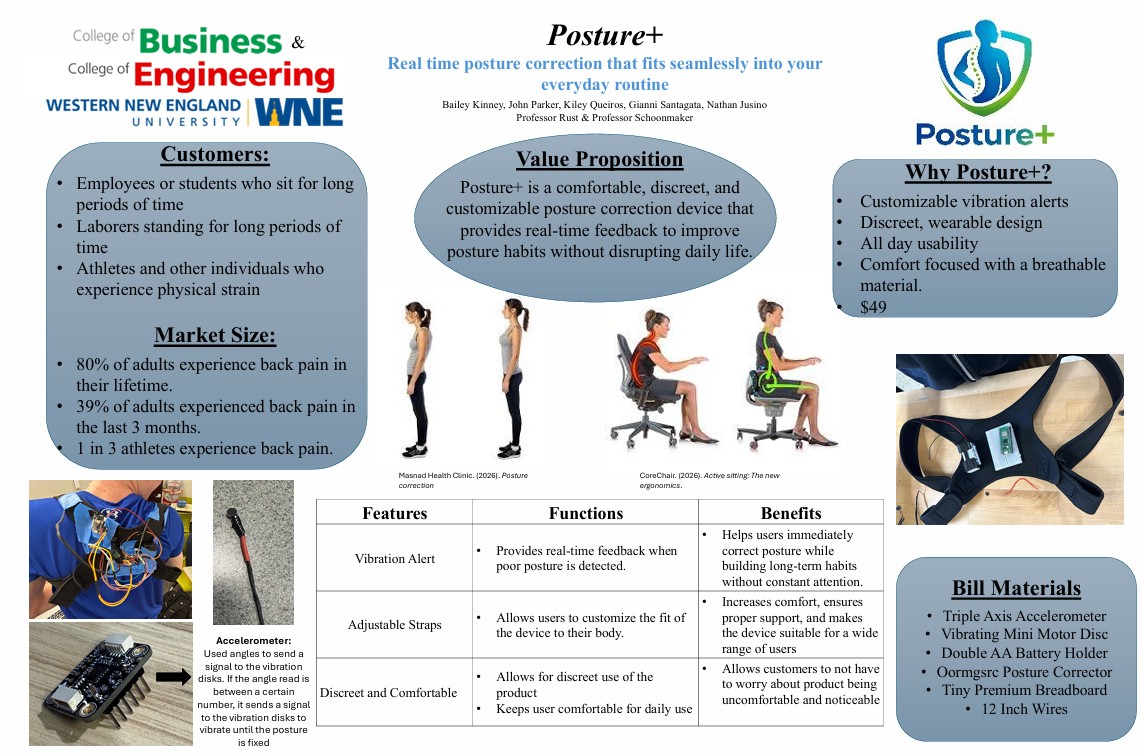
On April 28th, 2026 we presented and were judged in the competition at the 2026 Emerging Engineers Expo at WNEU. My team didn’t win any awards unfournately but we were still extremely satisfied with our resulting project and outcome. Here is a picture of the poster we used to present. This was also a collobartion with two College of Business students along with three College of Engineering Students.
All in All this was an amazing experience that my entire team enjoyed largely and I thank WNEU for allowing this to happen for not only the honors students but all of the College of Engineering freshmen as well.
Unfortunately, I do not currently have access to the final code for the project, I only have the initial I2C connection for the pico and accelerometers. Below is a PDF preview of the code.
The final code was around 200 lines. It used a while loop for the main aspect of the code. Features included a mode for when the user is bent over(as to not vibrate for bad posture), and three modes for smoothing the data coming from the accelerometers, which were a median-3 filter, Outlier rejection, and an IIR low-pass filter. As soon as I get my hands on the code, I will likely add it to this page.